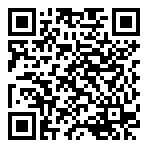
ISPPM Annual Conference Oct 30 – Nov 1, 2026
Topic: Oxytocin — Neurobiology of Birth and Bonding in the Field of Tension between Psychotherapeutic Opportunity and Misuse as Birth Intervention
Oxytocin is a key hormone of our neurotropic system, which significantly regulates and harmonizes central areas of our social competence, our capacity for bonding and love, sexuality, pain regulation, and other important bodily functions. Oxytocin is a messenger of love, happiness, bonding, closeness, and peace. There are many reasons to protect this hormone.
However, oxytocin is also an important hormone in the regulation of birth. During the expulsion period, it ensures a firm muscle tone of the uterine wall, against which the child can move out. It alleviates the pain of childbirth for the birthing person, making the otherwise unbearable tolerable. After birth, it causes the uterus to contract, thereby preventing postpartum hemorrhage. It strengthens the bond between mother and child and enables breastfeeding.
Unfortunately, the contraction-promoting properties of oxytocin have been and continue to be misused as a birth intervention to induce labor and accelerate the birth process. In doing so, the highly sensitive mechanisms of oxytocin release and the risk of downregulation of the receptor system in mother and child have been underestimated, despite decades of available data – with serious consequences for bonding and breastfeeding.
The 38th Annual Conference of the ISPPM is aimed at all professional groups working in psychotherapy and body therapy, bonding promotion, and obstetrics. It is entirely dedicated to the diverse aspects of the use of oxytocin as a bonding-promoting hormone and the misuse of an important resource for our physical, psychosocial, and sexual health.
Look forward to lectures, symposia, and a panel discussion with our international speakers: Op. Dr. Hakan Coker (Specialist in Gynecology and Obstetrics, Turkey), Esther Göbel (Midwife), Prof. Dr. med Sven Hildebrandt (Prof. of Gynecology and Obstetrics), Dr. med. Ludwig Janus (Psychoanal. Psychotherapist), Nese Karabekir (Birth Psychotherapist, Turkey), Prof. Dr. med. C. Albrecht May (Prof. of Anatomy), Prof. Dr. rer. med. Christiane Schwarz (Prof. of Midwifery Science), Prof. Dr. sc. Katalin Varga (Hungary), and others.
Further information to follow
Participation via Zoom with translation is also planned.
Continuing education credits for midwives and physicians will be requested.
Friday: 9:30 AM – 1:00 PM Workshops
Friday: 3:00 PM – 6:00 PM General Assembly
Friday: 7:30 PM – 9:00 PM Opening of the Conference
Saturday: 9:00 AM – 6:30 PM Lectures, Symposia
Saturday: 7:30 PM Festive Evening
Sunday: 9:00 AM – 12:30 PM Symposium, Fishbowl, End: approx. 1:30 PM
Sunday: 3:00 PM – 6:30 PM Workshops
Tickets and further information here: https://isppm.ngo/tagung-2026/
- Sprache German, English
- 30. Oct 2026 - 01. Nov 2026
- All Day
Category