
Oxytocin
Annual Conference 2026
38th Annual Conference of the International Society for Pre- and Perinatal Psychology and Medicine (ISPPM)
German speaking conference in Stolpen
Welcome to our 2026 Annual Conference
Bonding Hormone Oxytocin
Between Opportunity for Bonding Promotion and Abuse as a Birth Intervention
Oxytocin is a key hormone of our neurotropic system, which significantly regulates and harmonizes central areas of our social competence, our capacity for bonding and love, sexuality, pain regulation, and other important bodily functions. Oxytocin is a messenger of love, happiness, bonding, closeness, and peace. There are many reasons to protect this hormone.
However, oxytocin is also an important hormone in the regulation of birth. During the expulsion period, it ensures a firm muscle tone of the uterine wall, against which the child can move out. It alleviates the pain of childbirth for the birthing person, making the otherwise unbearable tolerable. After birth, it causes the uterus to contract, thereby preventing postpartum hemorrhage. It strengthens the bond between mother and child and enables breastfeeding.
Unfortunately, the contraction-promoting properties of oxytocin have been and continue to be misused as a birth intervention to induce labor and accelerate the birth process. In doing so, the highly sensitive mechanisms of oxytocin release and the risk of downregulation of the receptor system in mother and child have been underestimated, despite decades of available data – with serious consequences for bonding and breastfeeding.
The 38th Annual Meeting of the ISPPM is aimed at all professional groups working in psycho- and body therapy, attachment promotion, and obstetrics. It is entirely dedicated to the diverse aspects of its use as a bonding-promoting hormone and the misuse of an important resource for our physical, psychosocial, and sexual health.
The conference format deliberately departs from the traditional ‘lecture-based conference’ model and opens up new educational approaches to knowledge transfer, self-awareness and interdisciplinary exchange. The programme alternates between short, open-format keynote presentations and discussion sessions led by experts – in the tradition of the ‘symposia’ already common in ancient scholarship – and in-depth experiential learning elements. With this unconventional format for an academic conference, we hope to provide all interested professional groups with insights and experiences that do justice to the significance of the topic.
Friday, 30.10.2026
Program: Day 1
Meeting of the Working Group on Prenatal-Based Psychotherapy and Psychosomatics (AG-PfPP)
The working group’s organising committee invites its members to Stolpen for a collegial exchange. Psychotherapists and psychosomatic specialists with expertise in pre- and perinatal issues are warmly welcome as guests. After a long period of online exchanges, we wish to create a space for face-to-face interaction to prepare together for the conference theme ‘Oxytocin, the bonding hormone’. The focus here will be on the psychosomatic and psychotherapeutic aspects. Above all, we wish to address pre‑, peri- and postnatal disturbances in the interaction and regulation between mother and child. We regularly encounter the consequences of these in later life during therapeutic processes. Bonding begins as early as in the womb.
It is important to us to organise our meetings – in keeping with our way of working – in a holistic manner, engaging our minds, hearts and gut. Within this open structure, we can – as and when we feel the need – contribute our own ideas, such as tuning into our bodies, expressing images that resonate with us, and drawing spontaneously on paper with pens.
Preparatory group:
- Antonia Stulz
- Helga Fink
- Marita Klippel-Heidekrüger
- Regina Liedtke
- Verena Lauffer
- Viola Spatzier
- Anja Engelsing
Kola Brönner, President of the ISPPM
Sven Hildebrandt, Conference President
Opening of the conference
Mike Hirdina, Mayor of the town of Stolpen
Welcome message
Sven Hildebrandt, Fulda, Germany
Introductory talk:
- Bonding Hormone Oxytocin
- Between opportunities to foster bonding
- and abuse as a birth intervention
Oxytocin release 1
Saturday, 31.10.2026
Program: Day 2
with Sven Hildebrandt and Christiane Schwarz
Introduction
Oxytocin as a key hormone for bonding and social skills
Physiology and Pathophysiology of Oxytocin Release
In the first symposium of the conference, two university lecturers specialising in obstetrics – a midwife and an obstetrician – discuss fundamental aspects of the physiology and pathophysiology of neurotropic hormones and one of their most important representatives, oxytocin. They explain how these hormones differ from others, particularly in terms of their production, release, biological effects and interaction with other organ systems. From this, they deduce their outstanding importance for a person’s mental and physical health. At the same time, they explain why the receptor system is particularly susceptible to disruption, especially in the face of overstimulation, and outline both the opportunities and the risks associated with the therapeutic use of oxytocin.
with Sven Hildebrandt, Esther Göbel and Christiane Schwarz
The use of synthetic oxytocin during childbirth – a review
Consequences of downregulation of maternal oxytocin receptors: atony, breastfeeding difficulties, attachment difficulties, postnatal depression
Primary and secondary labour failure – alternatives to the use of synthetic oxytocin
The panel of panellists is joined by another experienced midwife. The second symposium will focus on the use of synthetic oxytocin in the context of labour support. The discussion will centre on a widespread misconception that administering synthetic oxytocin can speed up labour. There is no dispute about the great value of oxytocin in the prevention and treatment of postpartum haemorrhage. The situation is quite different when it comes to its use for labour induction. Here, the disadvantages clearly outweigh the advantages – a fact that is, however, often overlooked in everyday obstetric practice. During the symposium, alternatives will be presented to counter the criticism of current practice. Dealing with weak labour contractions is one of the major challenges, but also one of the special opportunities, of the midwifery profession.
with Sven Hildebrandt, Neşe Karabekir and
Hakan Çoker
Effects on the attachment behaviour of newborns
Promoting early bonding in the maternity setting
When synthetic oxytocin is used to induce labour, the doses administered are so high that a significant amount is transferred to the baby. As a result, the baby’s receptor system is blocked in a similar way to that of the mother, which has serious consequences for bonding behaviour and breastfeeding. The body of scientific evidence on this issue is now so extensive that this problem can no longer be ignored. During the afternoon symposium, experts who have studied attachment disorders in newborns within the field of birth traumatology will take part in a discussion.
with the panellists from the first day
dinner together
Oxytocin Release 4: Tango
Sunday, 1.11.2026
Program: Day 3
with Sven Hildebrandt, Kola Brönner, Katalin Varga, Gisela Albrecht and Ludwig Janus
Introduction
Konsequenzen der Tagung aus psychotherapeutischer Sicht
Promoting bonding following the administration of oxytocin during childbirth
Ways of activating the oxytocin system in a therapeutic setting
The morning symposium is devoted entirely to the implications of the previous day’s discussions for work in psychotherapeutic practice and other therapeutic disciplines. Until now, far too little attention has been paid to such early roots of potential disturbances in the treatment of behavioural and attachment disorders. The panel discussion will explore ways in which disorders triggered by the use of oxytocin during childbirth can be addressed therapeutically.
Closing of the conference
Workshops
As part of the conference (Inclusive)
“Love alone is not enough (sometimes)” Promoting early bonding using the example of midwifery
Find out more about the speakers at this year’s annual conference
Speakers
Dipl.-Soz. und HP (Psych.)
Kola Brönner
President of the ISPPM, practice specialising in body-oriented psychotherapy, trauma therapy and systemic constellations at the Integrative Health Centre Aachen (IGZ).

Prof. Dr. med.
Sven Hildebrandt
Conference President, Professor of Gynaecology and Obstetrics at Fulda University of Applied Sciences, Specialist in Gynaecology and Obstetrics

Dipl.-Med.
Gisela Albrecht
Specialist in Gynaecology and Obstetrics, with additional qualification in homeopathy, attachment analyst

Dr.
Hakan Çoker
Gynaecologist and Obstetrician, Istanbul Academy of Obstetrics

Éva Dániel
Psychologist, transpersonal therapist

Ulrike Fichte
M.Sc. in Midwifery, M.Sc. in Healthcare Management; Chair of the German Professional Association of Midwives (DFH) and lecturer in midwifery within the THK® curriculum

Esther Göbel
A midwife, co-founder of the Bühlau Midwifery Practice and author of several articles and publications on obstetrics, she has been dedicated to ‘rebirthing’ for 15 years

Dr.
Helmut Jäger
Taiji instructor,
specialist doctor,
systemic coach
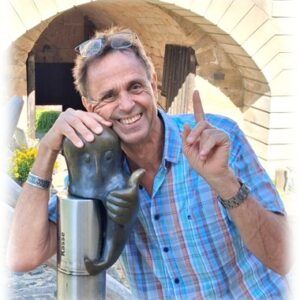
Dr.
Ludwig Janus
Psychoanalytic psychotherapist, former President of the ISPPM, former President of the German Society for Psychohistorical Research (www.psychohistorie.de). Member of psychoanalytic professional bodies (DPG, DGPT) and other professional associations.
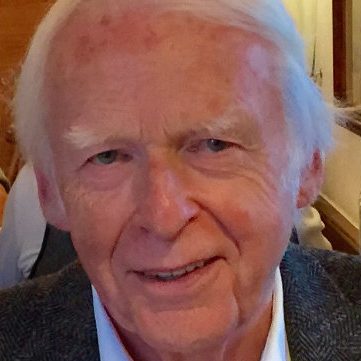
Neşe Karabekir
Psychodrama therapist and trainer, perinatal psychotherapist
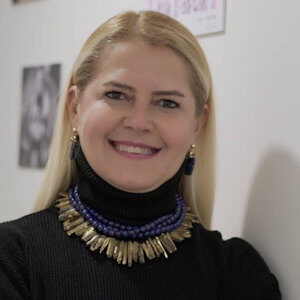
Katalin Orosz
Clinical psychologist, transpersonal therapist, professional director of the Kheiron Centre, chair of the board of trustees of the Perinatus Foundation
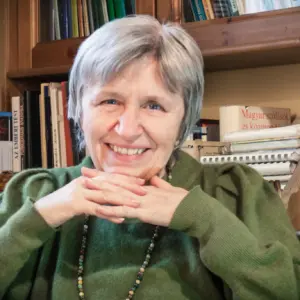
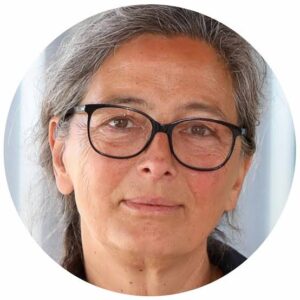
Prof. Dr.
Christiane Schwarz
Midwife and medical scientist, retired professor at the University of Lübeck
Prof.in Dr. sc.
Katalin Varga
Psychologist, hypnotherapist, Doctor of the Hungarian Academy of Sciences, Head of the Chair of Affective Psychology at the Faculty of Education and Psychology, ELTE. Permanent member of the ELTE Doctoral School of Psychology

Buy your ticket now!
We look forward to welcoming you to this special conference at the Hotel Goldner Löwe in Stolpen, near Dresden.
Registration for the 2026 Conference
We cordially invite you to the General Meeting and Annual Conference from 30 October to 1 November 2026 at the Hotel Goldner Löwe in Stolpen, near Dresden.
Workshop fee: €40.00 / students €20.00
Participation in the meeting of the Working Group on Prenatal-Based Psychotherapy and Psychosomatics (AG-PfPP) is free of charge.
- The ticket is non-transferable and valid only for the person for whom it was booked.
- Cancellations or refunds are only possible in accordance with our voluntary cancellation policy.
- Up to 30 days before the conference: 100% refund (minus a €15 administration fee).
- 15–29 days before the conference: 50% refund (minus a €15 administration fee).
- Less than 14 days before the conference: No refund, except where valid reasons can be demonstrated (e.g. illness, force majeure). These must be substantiated by official documents (e.g. a doctor’s certificate) within 7 days of cancellation. If the reason is accepted, the ticket will be refunded (minus a €15 administration fee). No refund will be given without proof.
Any questions?
We look forward to hearing from you!
Social Media
Follow us on Facebook!
E‑Mail
Phone
Monday: 9–10 a.m. Thursday: 5–6 p.m.
International Society for Prenatal and Perinatal Psychology and Medicine – ISPPM e.V.
Sudetenstr. 7
65527 Niedernhausen